The journey from innocence to self-discovery.
What happens when the stories we are taught to believe become the very things that prevent us from discovering who we truly are?
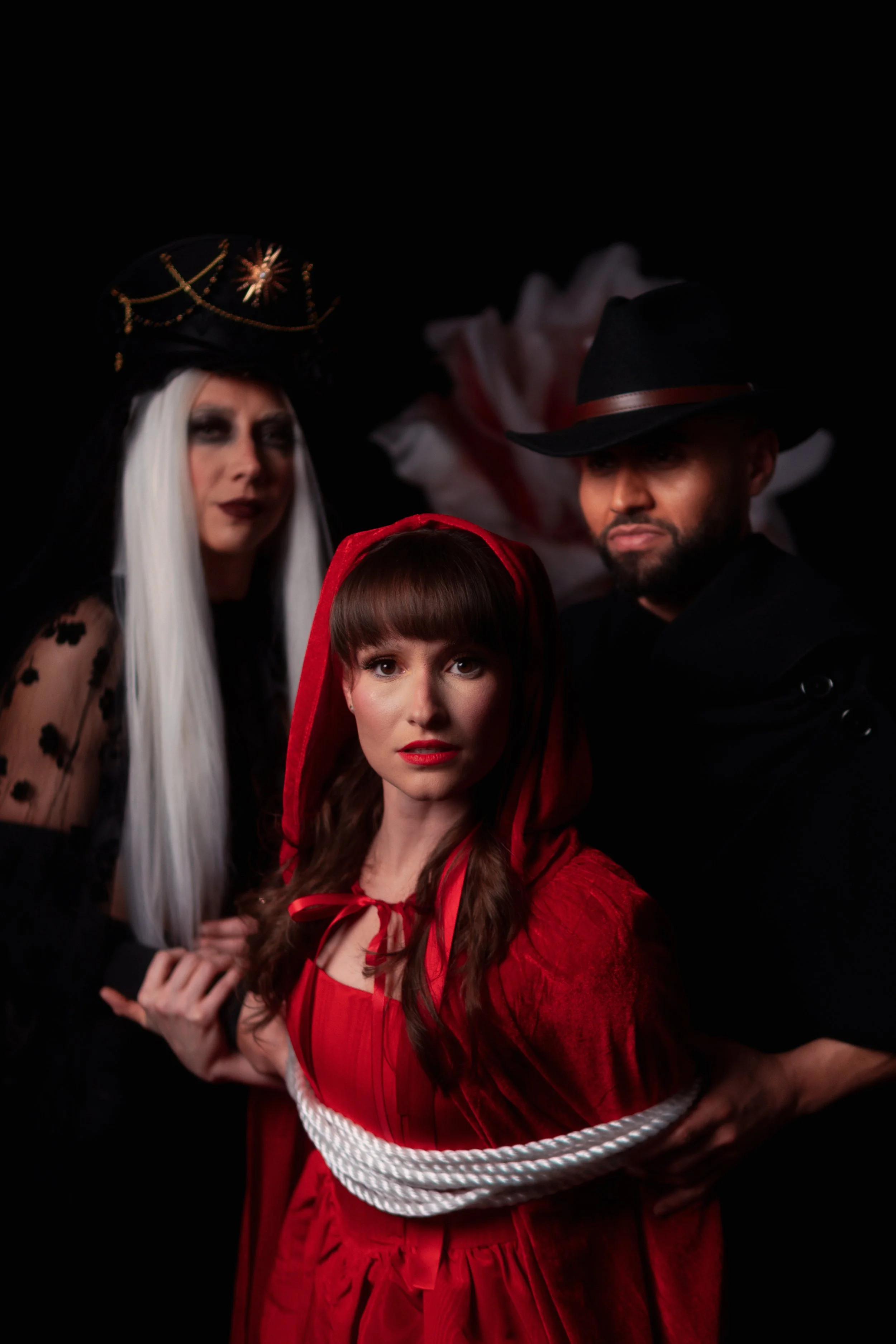
Becoming Red is a provocative reimagining of the classic fairy tale Little Red Riding Hood, transforming a familiar childhood narrative into an exploration of identity, religious repression, temptation, sexuality, and personal liberation.
Created by John Vega for Fábula Obscura Productions, the production combines theatrical storytelling, live vocals, contemporary music, dance, aerial artistry, and visual symbolism to examine the psychological and emotional journey of becoming one’s authentic self.
At its heart, Becoming Red is not a story about a young girl lost in the woods. It is a story about the courage required to question everything we have been taught to believe.

The Story Beneath the Fairy Tale
For generations, Little Red Riding Hood has been presented as a cautionary tale: a young girl ventures into the forest, encounters a dangerous wolf, and suffers the consequences of straying from the path prescribed for her.
But what if the path itself is the problem?
What if the forest is not simply a place of danger, but a place of awakening?
And what if the Wolf, traditionally portrayed as the embodiment of evil, represents something far more complicated: the forbidden desires, suppressed instincts, and hidden truths that society teaches us to fear?
Becoming Red challenges the moral simplicity of the original fairy tale by transforming its familiar characters into psychological and symbolic figures.
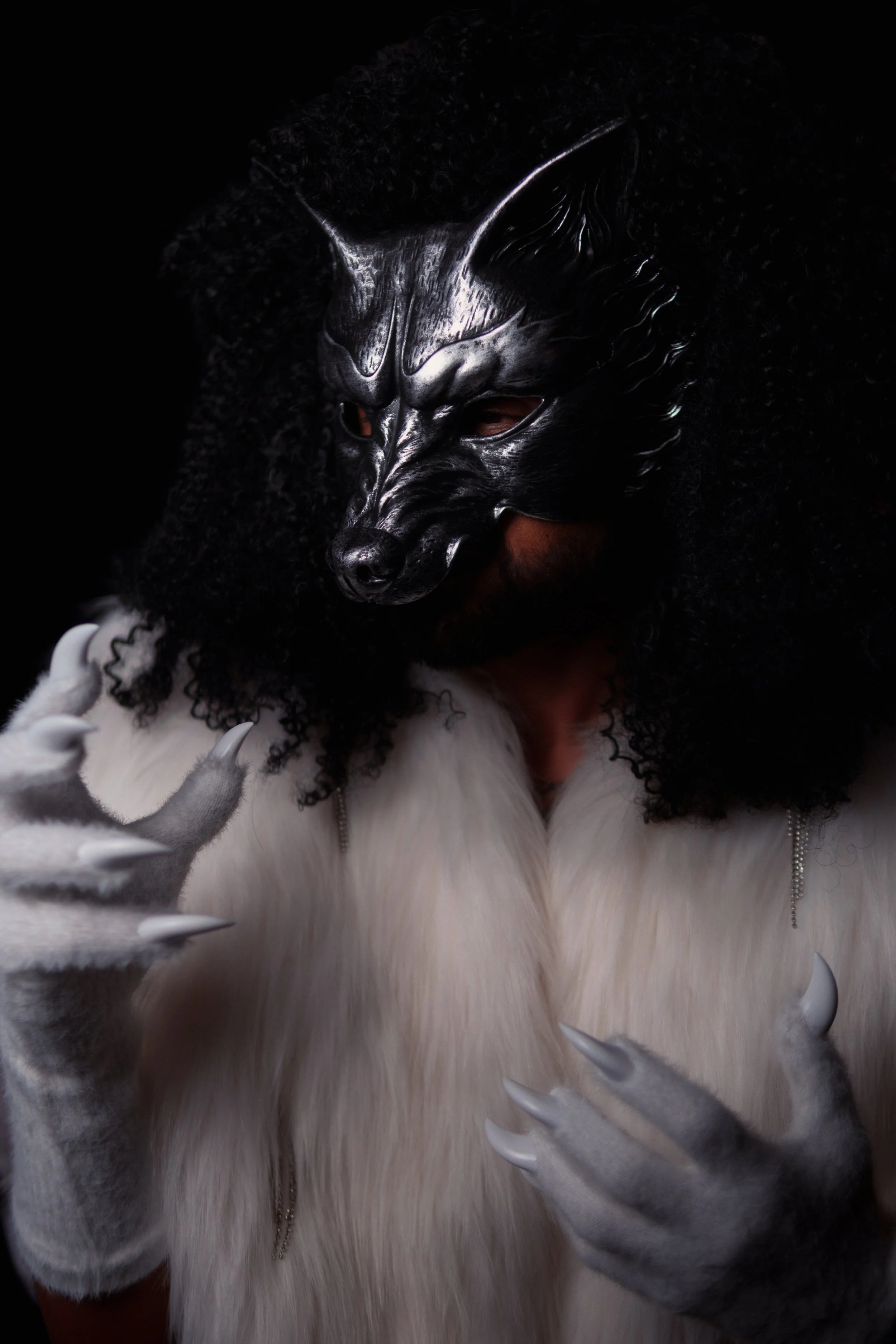
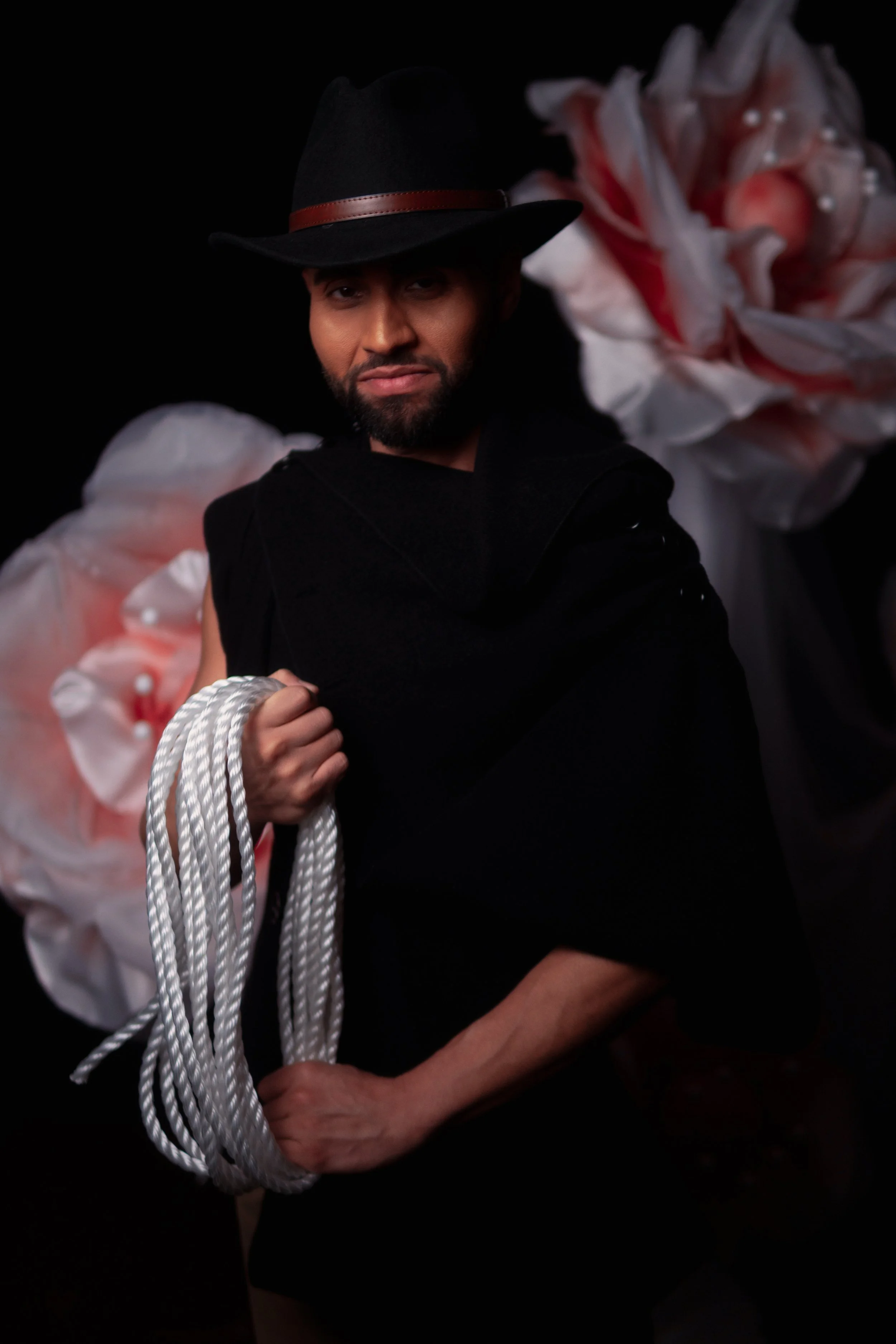
Red becomes a representation of the individual struggling to reconcile inherited beliefs with emerging desires. The Mother embodies the influence of family, tradition, and religious authority. The Wolf occupies the ambiguous territory between temptation, danger, desire, and self-recognition. The Woodsman evokes the traditional promise of rescue and the question of whether salvation must come from an external authority.
Together, these figures inhabit a theatrical world in which innocence and experience, obedience and rebellion, and fear and freedom exist in constant tension.
Rather than presenting morality as a simple opposition between good and evil, the production asks audiences to consider who defines those boundaries—and whose interests they ultimately serve.
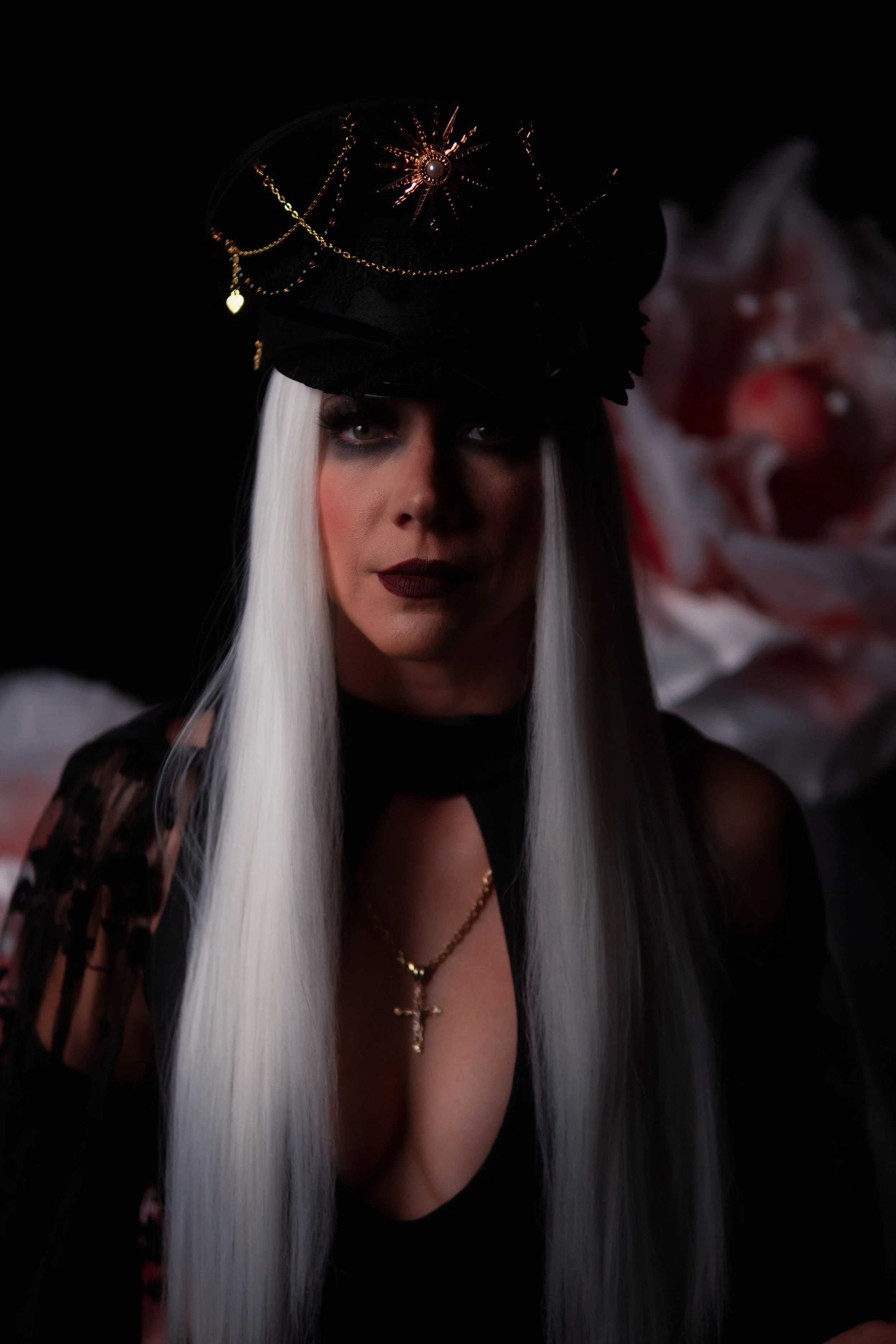
Religion, Shame, and the Architecture of Obedience
One of the central explorations of Becoming Red is the relationship between religious conditioning and personal identity.
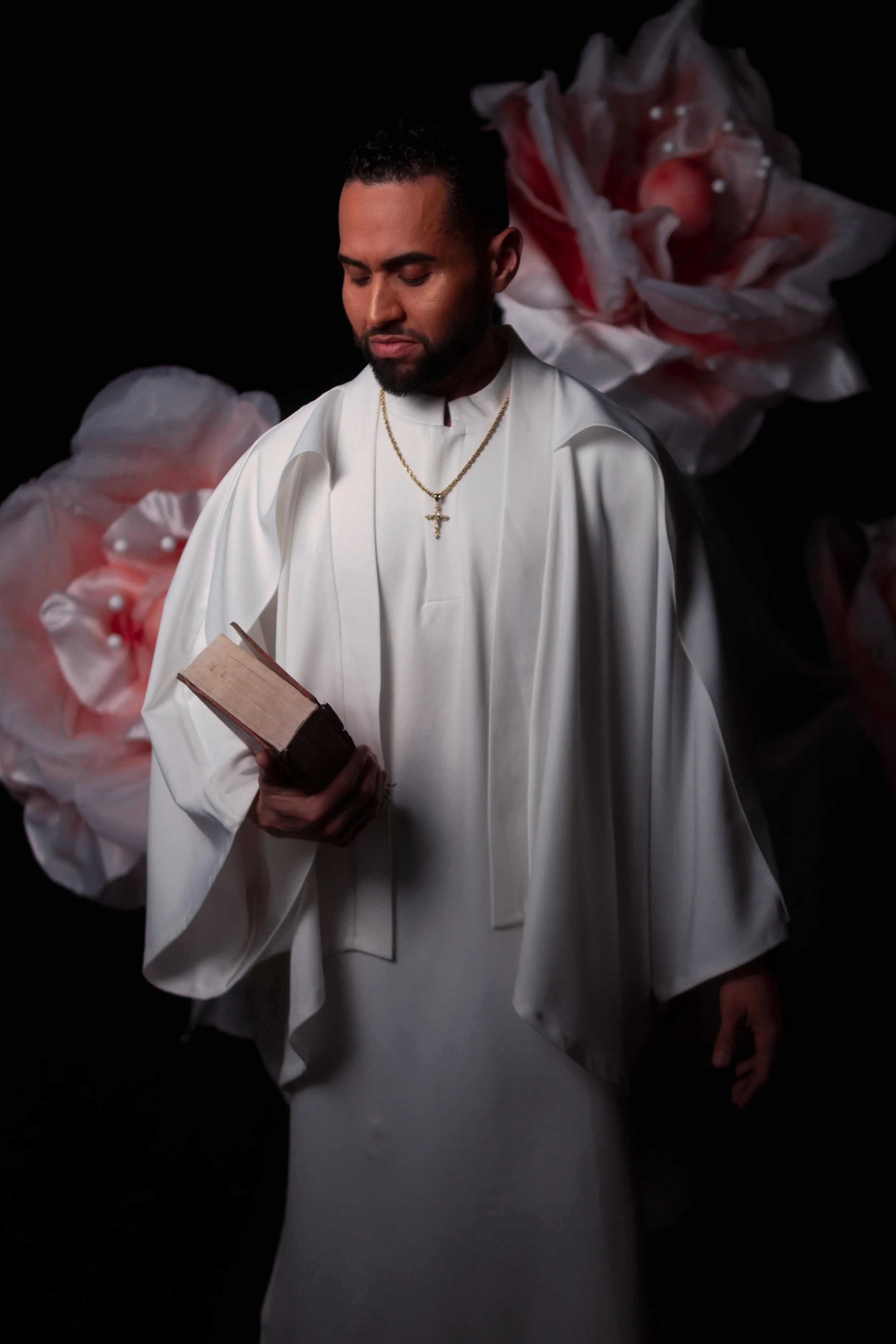
From childhood, individuals inherit systems of belief that help shape their understanding of morality, belonging, love, and acceptance. These structures can provide comfort and community, but they can also become instruments of repression when questioning, difference, or desire is met with shame.
Within the world of Becoming Red, religion functions not merely as an institution but as an internalized psychological force.
The fear of punishment, the longing for approval, and the struggle between obedience and independence become essential elements of Red’s emotional journey.
The production examines what happens when an individual begins to recognize that the voice of authority has become indistinguishable from their own inner voice.
This conflict is particularly resonant in conversations surrounding sexuality, gender expectations, family traditions, and the experiences of individuals who have been taught to conceal essential parts of themselves to remain accepted.
Yet Becoming Red does not seek to condemn faith itself. Instead, it questions the consequences of belief systems that demand self-denial as the price of belonging.
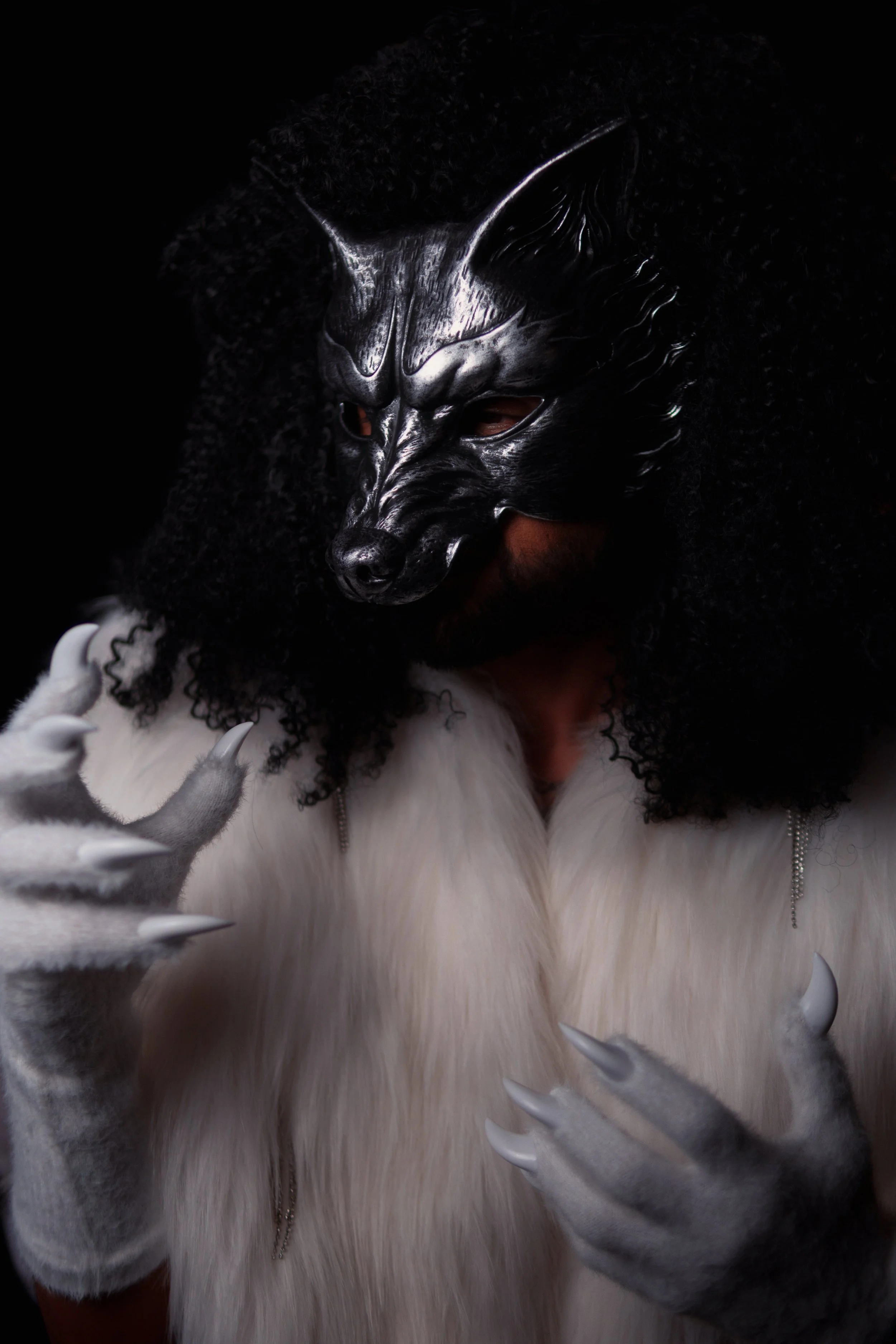
The Wolf and the Shadow Self
The Wolf occupies one of the production’s most psychologically complex roles.
In traditional interpretations, the Wolf is the predator: a figure of corruption, deception, and danger. In Becoming Red, that symbolism is deliberately complicated.
The Wolf can also be understood through the psychological concept of the shadow self: the aspects of our personality, emotions, and desires that we suppress because they conflict with the identity we have been taught to maintain.
From this perspective, Red’s encounter with the Wolf becomes more than a confrontation with an external threat. It becomes an encounter with the unfamiliar parts of herself.
The forest transforms into a symbolic landscape of the unconscious, where fear and curiosity coexist, and where the boundaries between danger and liberation are not always immediately recognizable.
The production does not suggest that every temptation leads to freedom or that every danger should be embraced. Rather, it explores the importance of understanding our desires instead of automatically condemning them.
To confront the Wolf is, in part, to confront the self.
And to emerge from that encounter transformed is to acknowledge that self-discovery rarely occurs without uncertainty, conflict, or loss.
A Story Told Through Music and Movement
Rather than relying exclusively on conventional dialogue, Becoming Red unfolds through a sequence of theatrical chapters that combine narration, live singing, choreography, aerial performance, and visual storytelling.
The production’s musical landscape draws from contemporary songs that explore longing, rebellion, seduction, heartbreak, and empowerment.
Music becomes an emotional language, allowing the audience to experience Red’s internal transformation beyond the limitations of spoken words.
Aerial artistry introduces another symbolic dimension. Suspended bodies, shifting heights, and movement through space create visual metaphors for vulnerability, surrender, restriction, and freedom.
The physical language of the production reinforces the psychological conflict at its center: the tension between being controlled and discovering the ability to move independently.
Costume, lighting, and theatrical imagery further distinguish the world of Becoming Red from a conventional fairy-tale adaptation.
Darkness and beauty coexist. Seduction is accompanied by uncertainty. Moments of fragility give way to confrontation and defiance.
The result is a theatrical experience in which spectacle is not simply decorative but serves as an extension of the story’s emotional and symbolic meaning.
The Meaning of Becoming Red
The title Becoming Red carries the central metaphor of the production.
Red is more than the name of its protagonist or the color of her familiar cloak.
It evokes blood, passion, desire, danger, vitality, and transformation.
It represents the movement from an identity assigned by others toward one that is consciously chosen.
Throughout the production, Red confronts the expectations placed upon her by family, religion, society, and the stories she has inherited.
Her transformation is neither simple nor painless. It requires questioning authority, recognizing the complexity of desire, and accepting the possibility that freedom may come at the cost of familiarity.
Ultimately, Becoming Red is concerned with the difference between being told who we are and discovering who we might become.
The story moves beyond the traditional fairy-tale promise of rescue.
Red’s liberation is not defined solely by escaping the Wolf, returning home, or being saved by the Woodsman.
It is found in her growing capacity to claim ownership of her own story.
The Artistic Vision
Becoming Red reflects the founding philosophy of Fábula Obscura Productions: that familiar stories can become powerful instruments for examining contemporary human experience.
By dismantling the moral certainties of a traditional fairy tale, the production invites audiences to reconsider the narratives that shape their lives.
Its multidisciplinary approach rejects the idea that storytelling must exist within the boundaries of a single artistic form. Theater, music, movement, and visual imagery operate together, creating a space where psychological experience can be expressed through the body as well as the voice.
The production is simultaneously intimate and theatrical, personal and universal.
Although its imagery emerges from folklore, its questions are unmistakably contemporary.
Who teaches us what is right and wrong?
What parts of ourselves do we conceal to earn love and acceptance?
When does protection become control?
And what must we surrender to become truly free?
These questions do not lead to a single prescribed answer. Instead, Becoming Red invites audiences to recognize fragments of their own experiences within Red’s journey.
Because sometimes the greatest danger is not losing ourselves in the forest, but spending our entire lives afraid to enter it.
Becoming Red was presented in 2026 as an original production of Fábula Obscura Productions, with performances in Bushwick, New York; Hurleyville, New York; and Kingston, New York.
The work established the company’s commitment to multidisciplinary theatrical storytelling, psychological exploration, and the reimagining of familiar narratives through a contemporary artistic lens.